CuratorLab: The North. Curatorial projects with and from Umeå to Kiruna, Konstfack University of Arts, Crafts and Design, Stockholm, 09.2023–05.2024
In the 2023–2024 academic year, I participated in CuratorLab, a professional course for curators at Konstfack University of Arts, Crafts and Design in Stockholm. This year it focused on collective research and work in the north of Sweden. The course was held in collaboration with Galleri Syster in Luleå, Havremagasinet in Boden, Konstmuseet i Norr in Kiruna, and Bildmuseet at Umeå University, and in dialogue with the institutions’ long-standing commitment to Sámi artists and northern issues. Within this framework, I have embarked on new research on extractive industries and just transition in Sweden and Poland as seen through the lens of contemporary art.
Through a Distorting Mirror: On Art, Mining and Just Transition in Sweden and Poland
Event organized at the Giron Sámi Teáther in Kiruna as part of Konstfest at Kin museum för samtidskonst, 16.02.2024
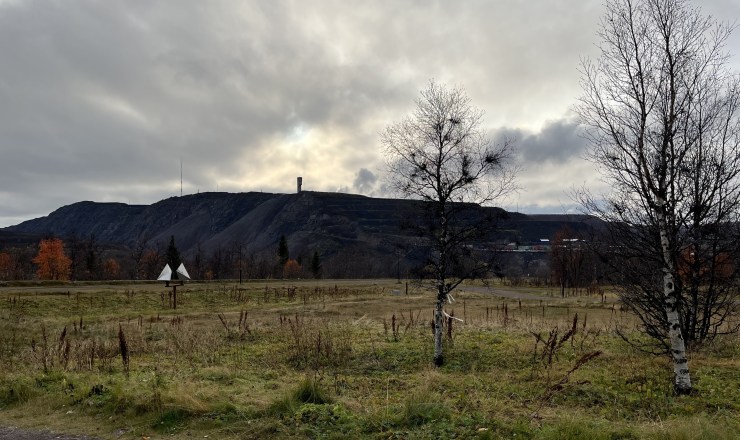
What impact does the mining industry have on local and indigenous communities, and how is the complexity of these relationships documented in contemporary art? This meeting is an offering for artists, critical thinkers and residents of Kiruna to reflect on the social complexity of environmental change. Two seemingly distant contexts will be juxtaposed: the LKAB iron ore mine in Kiruna and the Turów lignite mine in Bogatynia, southwestern Poland. Comparing the two may seem like looking through a distorting mirror, since they are on two opposite sides of the much-needed green transition. However, both show that no transition is painless and can have many shades when it comes to the lives and well-being of local and indigenous people.
Aleksandra Kędziorek will discuss the controversy surrounding the Turów lignite mine through the lens of contemporary art, which has commented on mining culture in Poland and its environmental consequences since the 1970s. Lena Ylipää will relate these comments to the context of Kiruna and other mining towns in the Swedish part of Sápmi. Offering different perspectives on art and life in critical zones, the event aims to inspire discussion on whether it is possible to make the green transition just for all.

